

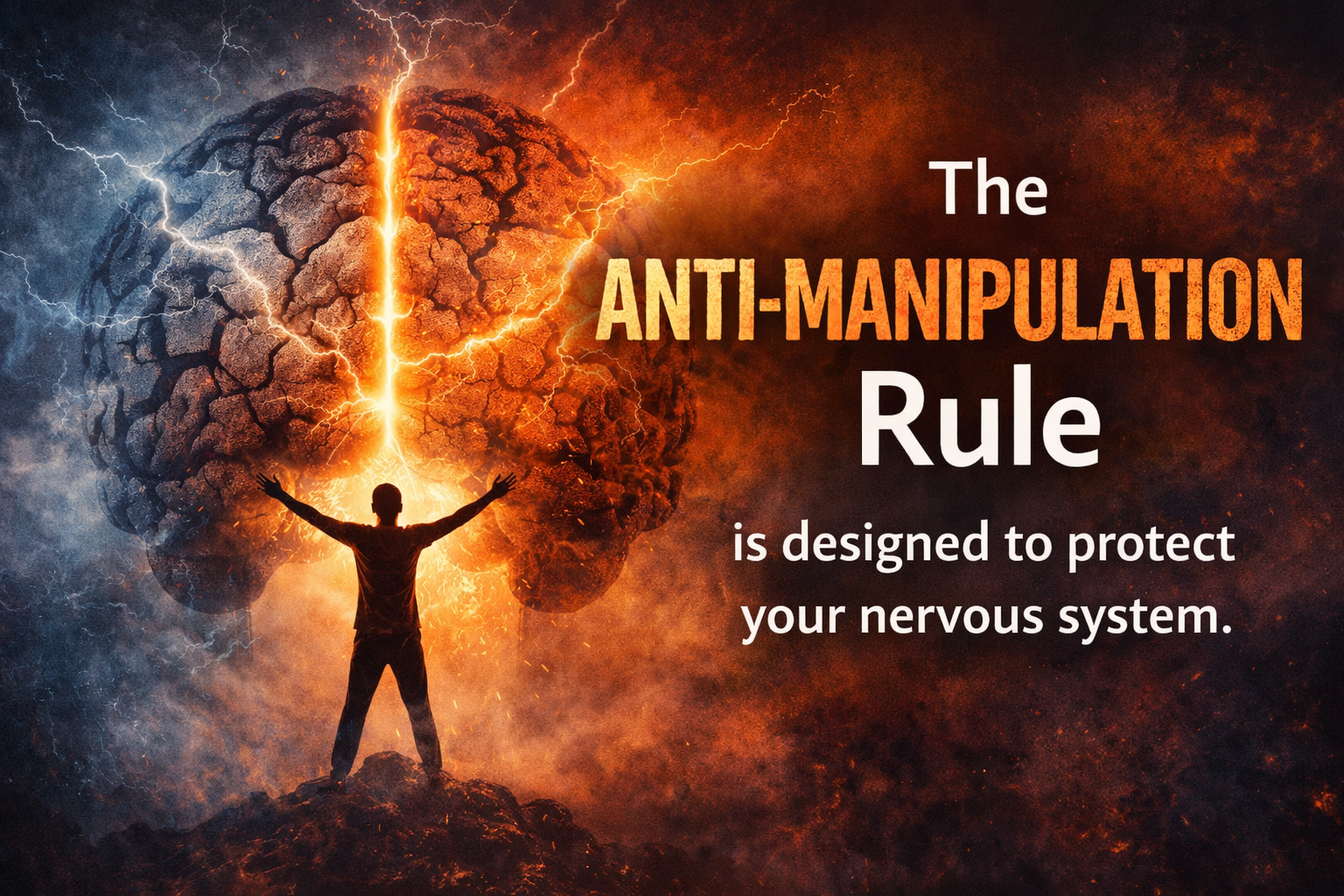
The Anti-Manipulation Rule is designed to protect your nervous system.
Here’s a tight excerpt you can drop at the top of that blog:
Manipulation doesn’t start with cruelty. It starts with pressure.
Pressure to answer right now. Pressure to explain yourself. Pressure to “be cool.” Pressure to give access you haven’t chosen yet. And if your nervous system is already tired, that pressure doesn’t just feel uncomfortable. It feels dangerous.
That’s why the Anti-Manipulation Rule exists.
Never make a decision while your body is activated.
Not when your heart is racing. Not when you feel shaky. Not when you’re flooded with fear, guilt, or urgency.
Because manipulation feeds on speed. It needs you rushed. It needs you off balance. It needs you responding from a survival state instead of a thinking state.
This rule is not about being cold or suspicious. It’s about staying regulated enough to stay accurate. When you slow down, you can hear what’s being asked of you. You can notice what’s missing. You can feel the difference between a request and a demand.
If someone is safe, they can tolerate your pause.
If someone is controlling, they will try to punish it.
And that reaction tells you everything.
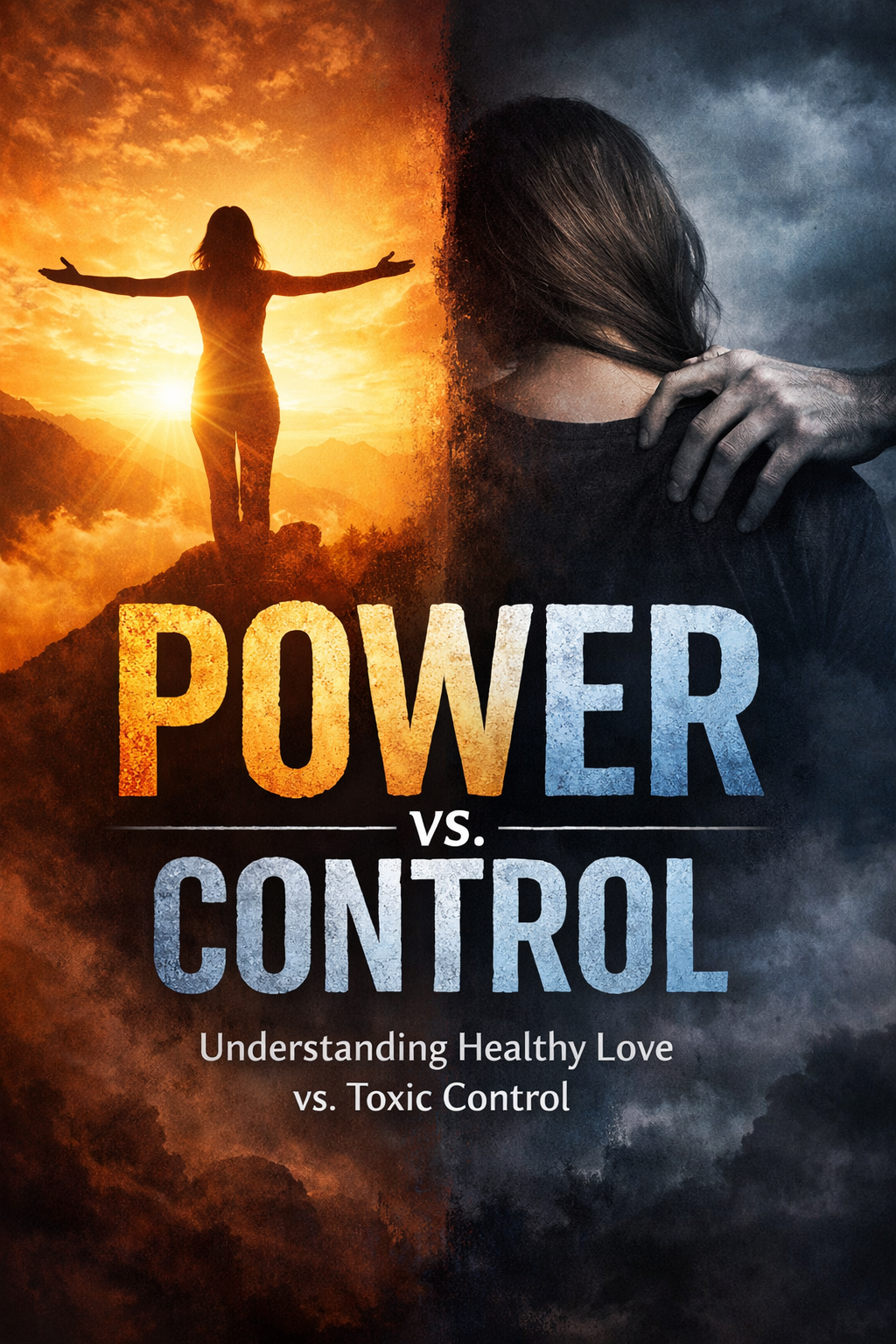
Power vs Control: The One Question That Exposes Manipulation Fast
Your body knows the difference before your mind admits it.
Power feels like room to breathe.
Control feels like you’re being managed.
Power asks, “What do you want?”
Control asks, “What will you tolerate?”
If you’ve ever caught yourself rehearsing what to say, checking your phone like it’s a heartbeat monitor, or shrinking your needs to keep the peace—this isn’t love getting “intense.” It’s control getting comfortable.
And the moment you start confusing pressure for passion, you become easy to steer.

How to Lower Threat Without Changing Your Life
The Power of Micro-Safety
Your nervous system learns through repetition, not reasoning.
Small signals of safety accumulate.
Examples include:
Slowing your transitions between tasks
Pausing before responding instead of reacting
Creating clear start and stop points to the day
Reducing unnecessary notifications
Sitting with your back supported
Grounding your feet when standing
Lengthening your exhale slightly
These actions tell your system it does not need to rush or brace.
No lifestyle overhaul required.

What “Healing” Looks Like When the World Is Still Loud
Healing doesn’t look like peace. Not at first.
Sometimes it looks like you turning the volume down inside your own body while the world keeps screaming at full blast.
If you’ve been waiting for silence before you start feeling better, this is your permission to stop waiting. Healing can happen in a loud life. It just won’t look the way people post about it.
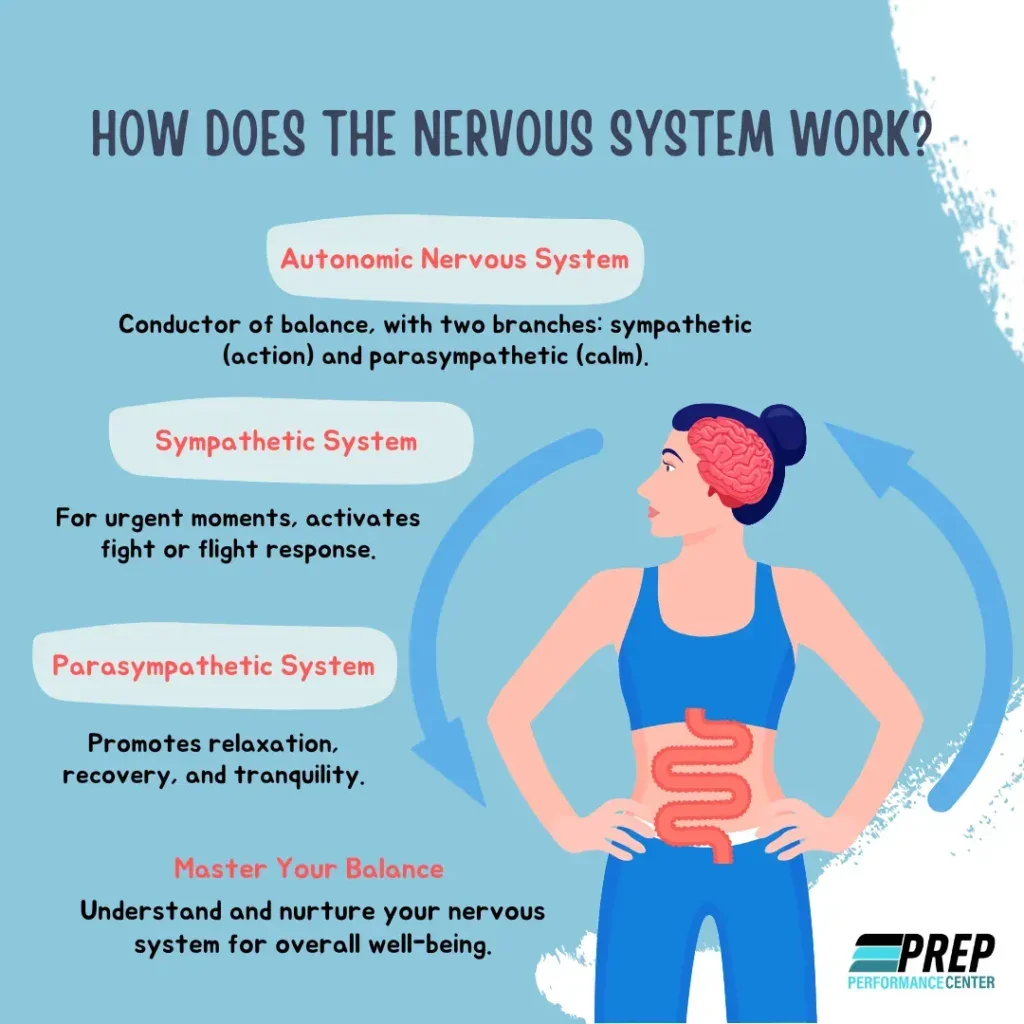
Regulation Is Not Relaxation Here’s the Difference
Why Relaxation Often Fails
Relaxation assumes your nervous system is already safe.
It works best when your system can naturally shift into a calmer state. For a regulated nervous system, rest restores energy.
For an overloaded nervous system, rest can feel:
Uncomfortable
Agitating
Unsafe
Boring in a distressing way
Mentally loud instead of quiet
This is why sitting still can increase anxiety, why vacations feel exhausting, and why “doing nothing” does not recharge you.
Your nervous system is not ready to relax yet.
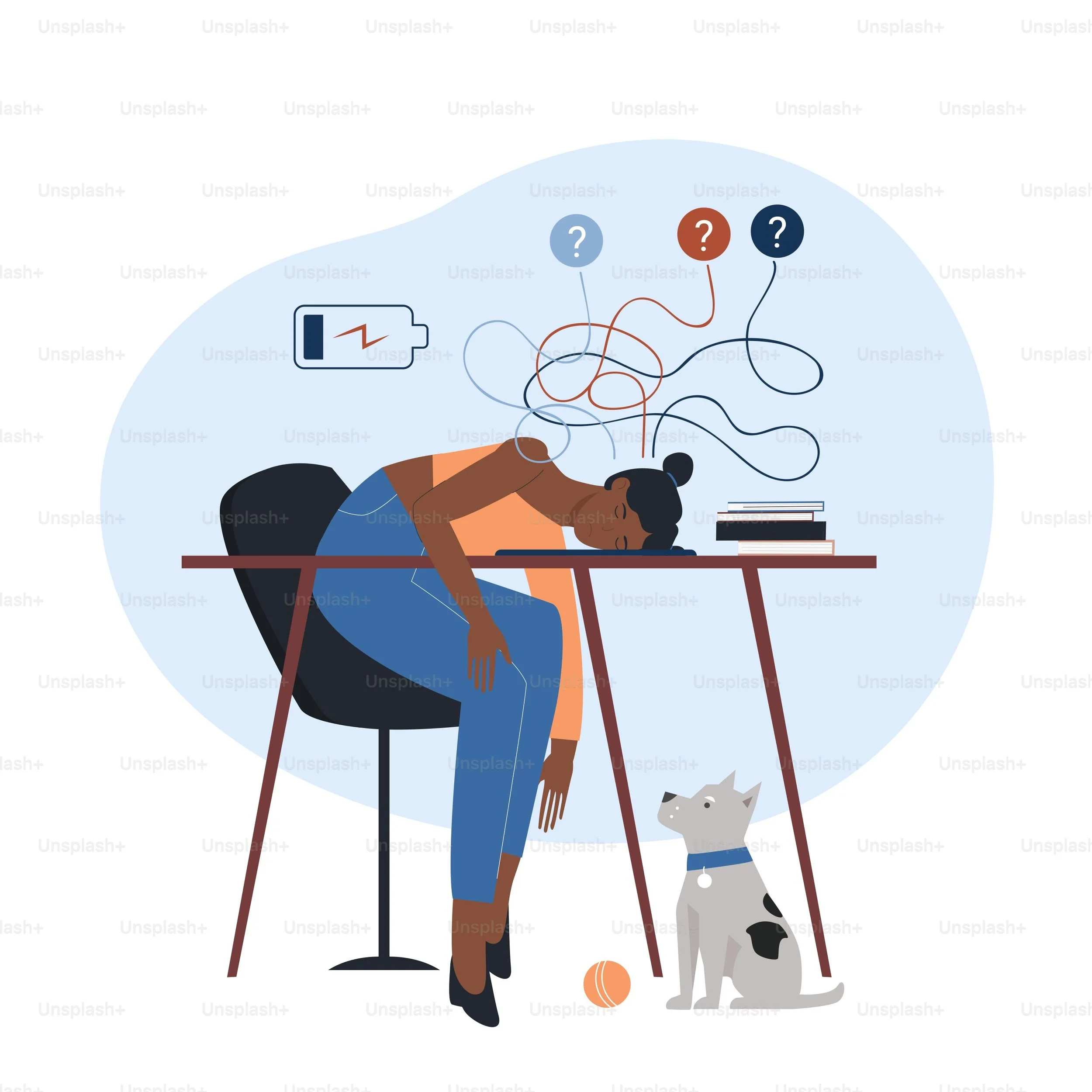
Why Motivation Fails When Safety Is Missing
Motivation is often treated as a personal trait.
You either have it or you do not.
You are driven or you are lazy.
You push forward or you fall behind.
This framing misses the most important factor of all.
Motivation does not disappear because you lack discipline.
It disappears when your nervous system does not feel safe.
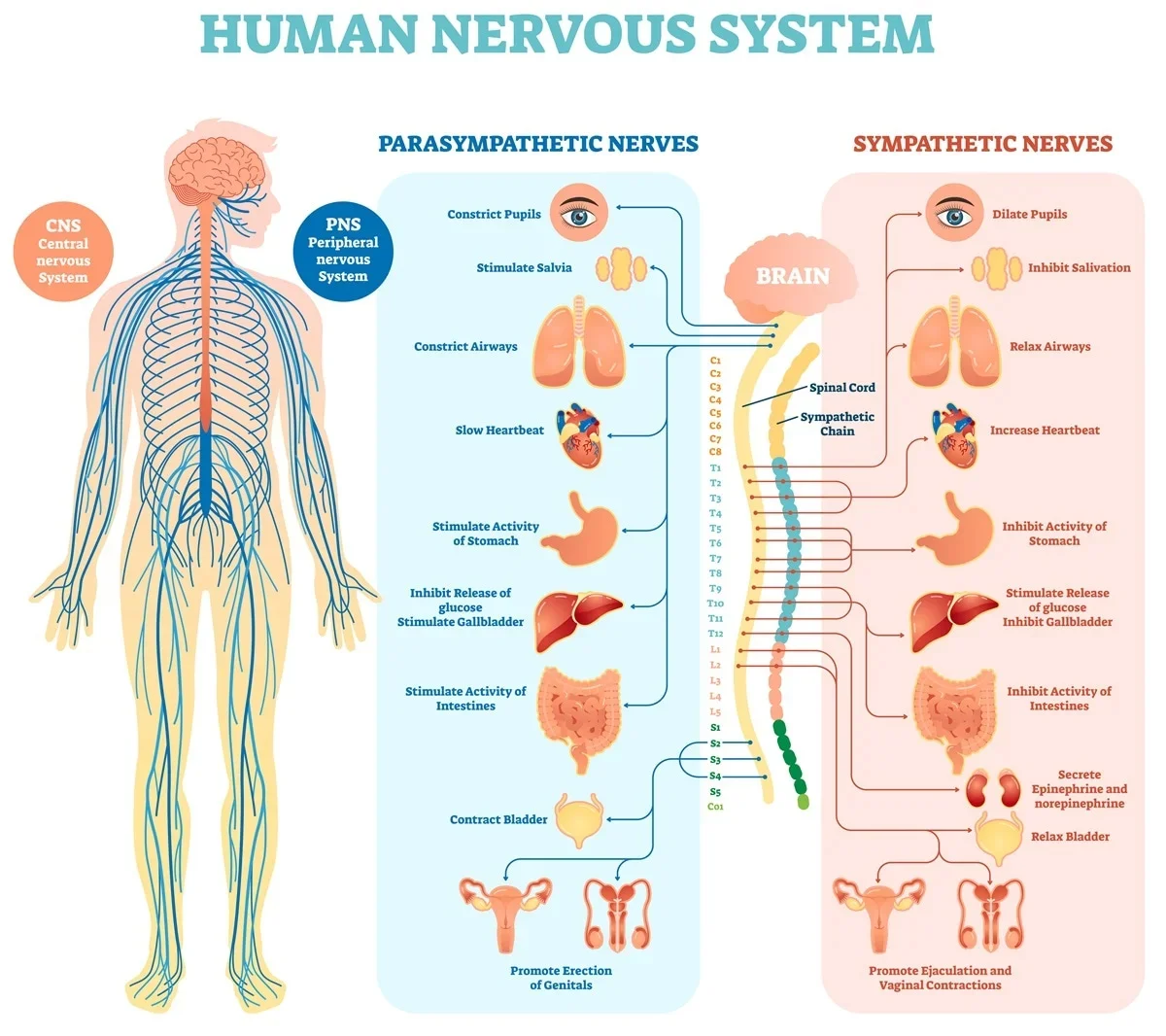
The Seven Layers of Stability Your Nervous System Needs
Layer One: Physical Predictability
Your nervous system stabilizes first through rhythm.
Predictable sleep and wake times.
Regular meals.
Consistent light exposure.
Gentle movement.
These signals tell your body when it is safe to power up and when it can power down.
Without physical predictability, higher-level regulation is unreliable.

Why Most Self-Help Fails Under Chronic Stress
Most self-help advice is built for people who have spare capacity.
People who can wake up, journal, meditate, hit the gym, meal prep, and “stay consistent” like their nervous system is running on a full battery.
Chronic stress changes the math. It doesn’t just make you tired. It makes your brain act like the threat is still happening. Your attention gets chopped into tiny pieces. Your memory gets slippery. Your sleep becomes shallow. Your body stays on alert, scanning for the next hit. So when a self-help book tells you to “set goals” or “be disciplined,” it can feel like being asked to build a house while someone keeps shaking the ground.
Here’s the part nobody says out loud: under chronic stress, your brain prioritizes survival over growth. That’s not a mindset problem. It’s biology.
That’s why you can buy the book, watch the videos, and even believe every word, then still find yourself scrolling at 2 a.m., snapping at people you love, or quitting the habit on day three. It’s not because you’re weak. It’s because your system is overloaded.
Self-help fails under chronic stress because it’s often aimed at behavior first. Chronic stress demands regulation first.
If you want change that actually sticks, you don’t start with motivation. You start by lowering the internal alarm. Then you build tiny, repeatable actions that your nervous system can tolerate. Not the version of you who “should” be fine. The version of you that’s been carrying too much for too long.
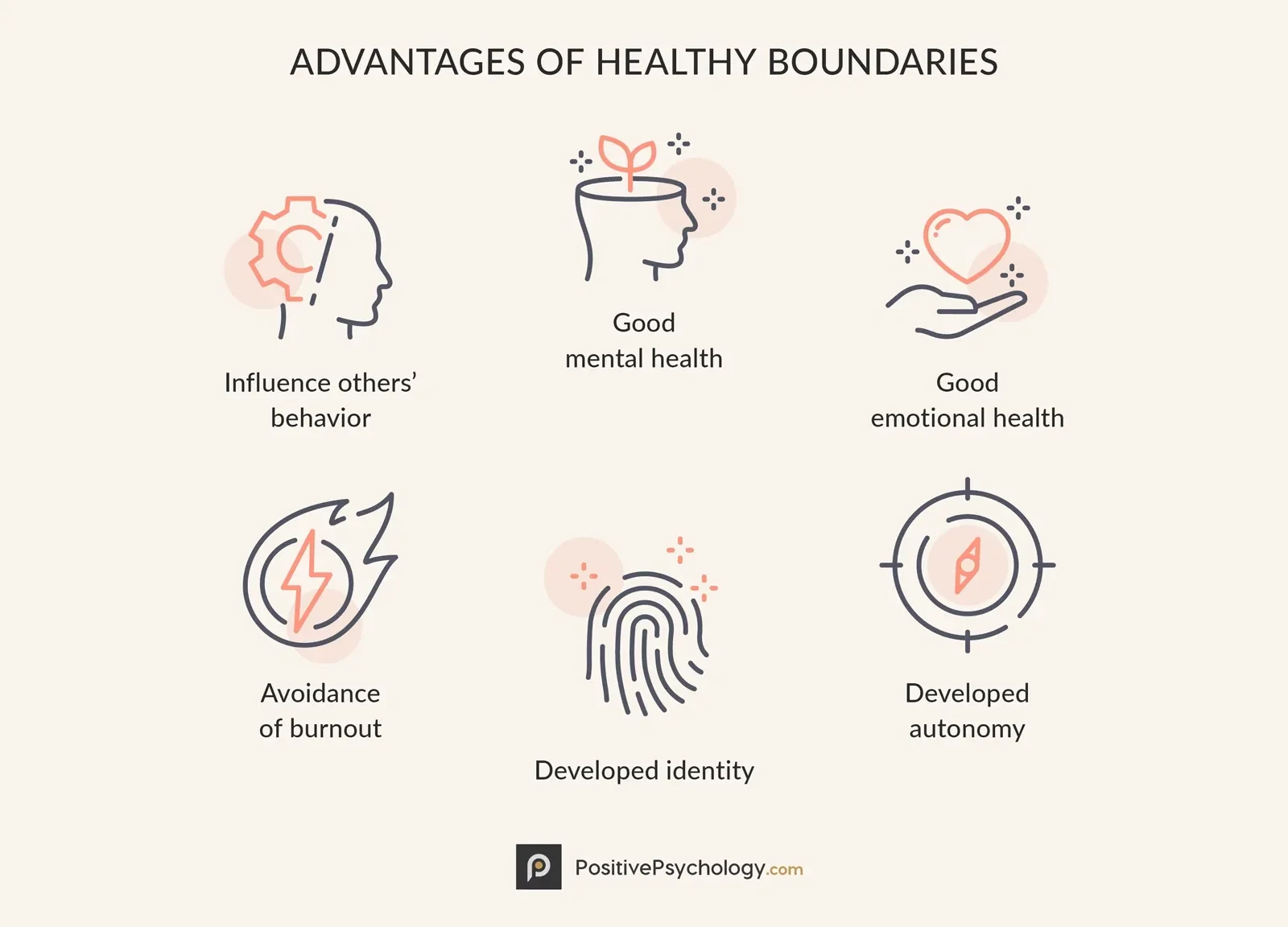
Boundaries That Hold Without Explaining
Why Explaining Feels Necessary
Explaining often comes from survival, not weakness.
If you learned that:
Pushback led to conflict
Saying no caused emotional fallout
Others’ reactions were your responsibility
Peace depended on your cooperation
Then explanation became protection.
You learned to manage other people’s responses before they happened.
Your nervous system remembers that cost.

How to Rebuild Stability Without Forcing Positivity
Why Positivity Often Backfires After Survival
Forced positivity asks your nervous system to ignore evidence.
If you have lived through prolonged stress, loss, betrayal, or instability, your body learned that optimism did not prevent impact. Staying alert did.
When you are told to “just be positive,” your system hears pressure, not safety.
This can lead to:
Emotional shutdown
Guilt for not feeling hopeful
Increased self-doubt
A sense of failure for not improving fast enough
Positivity without stability feels unsafe.
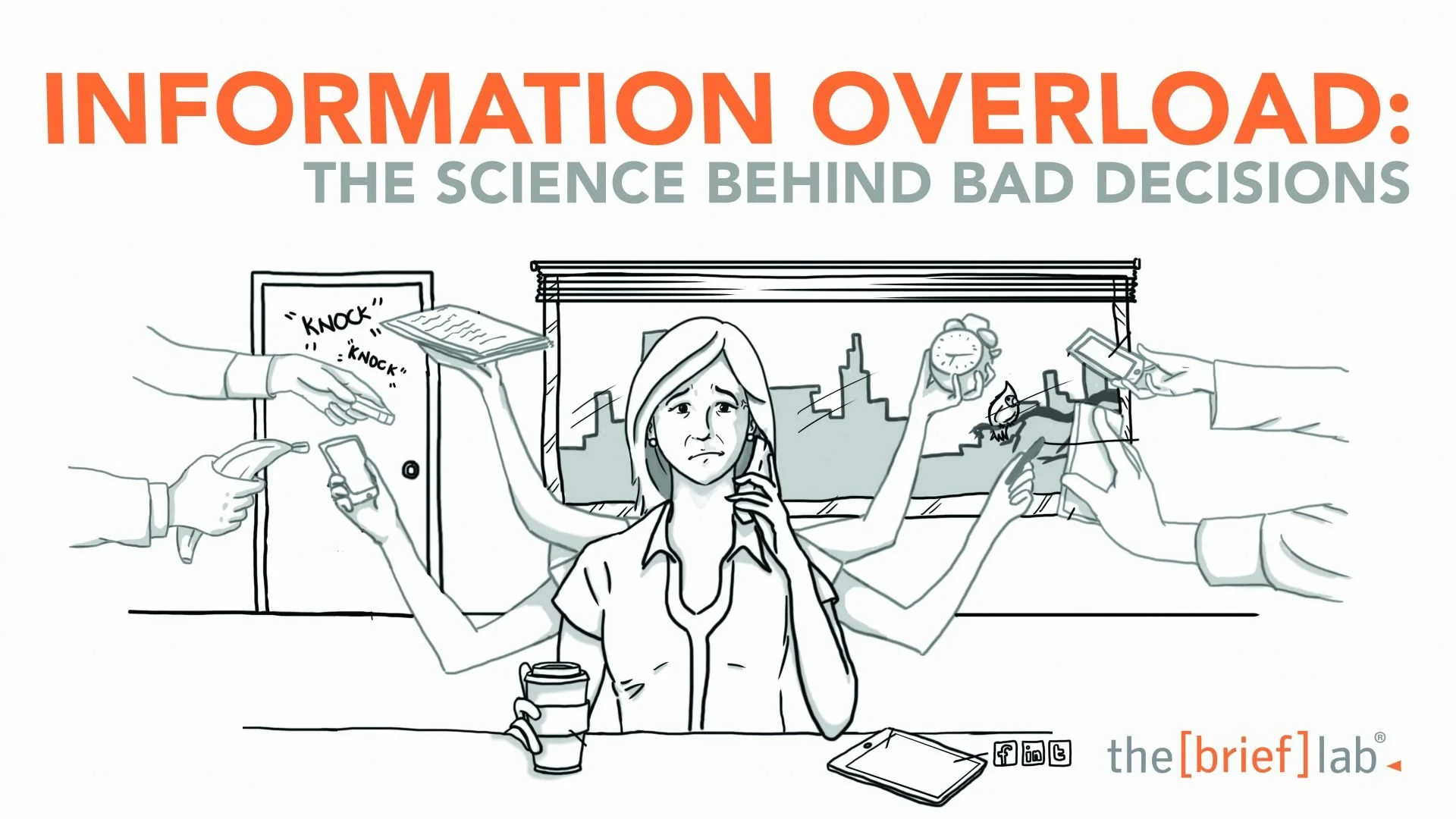
Survival Brains Are the Easiest to Influence
What a Survival Brain Is Focused On
When your nervous system enters survival mode, it reorganizes around one question:
How do I reduce threat right now?
Everything else becomes secondary.
In this state:
Long-term thinking drops
Nuance disappears
Emotional regulation weakens
Decision fatigue rises
Reflection feels dangerous
Speed feels necessary
The brain prioritizes relief over accuracy.
That makes influence easier.

Why Constant Urgency Keeps You Easy to Control
Urgency Is a State, Not a Fact
True urgency is rare. It belongs to real emergencies.
Constant urgency is manufactured.
It sounds like:
“This needs to be handled right now”
“If you don’t respond quickly, something will go wrong”
“There’s no time to think”
“Decide fast or miss out”
“Act before it’s too late”
These messages do not describe reality.
They create a physiological response.
Your nervous system reacts before your mind evaluates.

Fear Is Being Engineered! Here’s How It Hooks the Brain
Fear is no longer accidental.
It is designed, refined, and delivered in ways that quietly reshape how your brain pays attention, makes decisions, and stays alert.
This does not happen because you are gullible.
It happens because the human nervous system is predictable.
And predictability is easy to exploit.

Psychological Noise Is the New Power Tool
What Psychological Noise Actually Is
Psychological noise is not information.
It is excess stimulation without clarity.
It includes:
Repetitive breaking news with no closure
Emotionally charged language without solutions
Conflicting narratives presented simultaneously
Constant updates that change before they settle
Content designed to provoke reaction, not understanding
A steady sense that something is always wrong
The goal is not to inform you.
The goal is to keep your nervous system activated.

Why Your Nervous System Detects Manipulation Before You Do
You feel it before you can explain it.
A tightening in your chest.
A sudden drop in your stomach.
A vague sense that something is off.
Nothing overt was said. The words sounded reasonable. The tone was calm. And yet your body reacted.
This is not imagination.
It is early detection.
Your nervous system is designed to recognize manipulation long before your conscious mind can label it.

Small Repetitions Rebuild Trust Faster Than Insight
Insight is the moment you finally understand what happened.
Trust is the moment your body believes something different is happening now.
That’s why insight, by itself, rarely fixes anything. You can name the pattern. You can explain the trauma. You can connect every dot. Then your nervous system still flinches when the tone shifts. Still braces when the phone buzzes. Still expects the same ending.
Trust doesn’t rebuild through big speeches or perfect apologies. It rebuilds through small proof, repeated.
The text that comes when it says it will.
The boundary that stays in place even when someone pouts.
The calm repair after conflict instead of the silent punishment.
The “I’ll do it” that turns into “I did it,” again and again.
Your brain can learn through words. Your body learns through outcomes.
So if you’re stuck, stop chasing the next breakthrough. Start tracking the smallest repetitions that create safety. Because your nervous system isn’t persuaded by insight. It’s persuaded by consistency.
The Language of Control: Why Some Conversations Drain You
Why Your Body Feels It First
Your nervous system is designed to detect power shifts.
When a conversation quietly places you in a one-down position, your body reacts automatically. It prepares to defend, explain, comply, or withdraw.
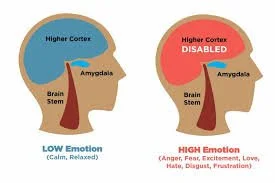
How Emotional Hijacking Happens Without Your Consent
One moment you are steady.
The next, your body reacts before you choose to.
Your voice changes. Your chest tightens. Your thoughts scatter or speed up.
Later, you wonder why you reacted that way at all.
This experience is unsettling because it feels like a loss of control.
It is not.
It is a biological override, and it happens faster than conscious thought.
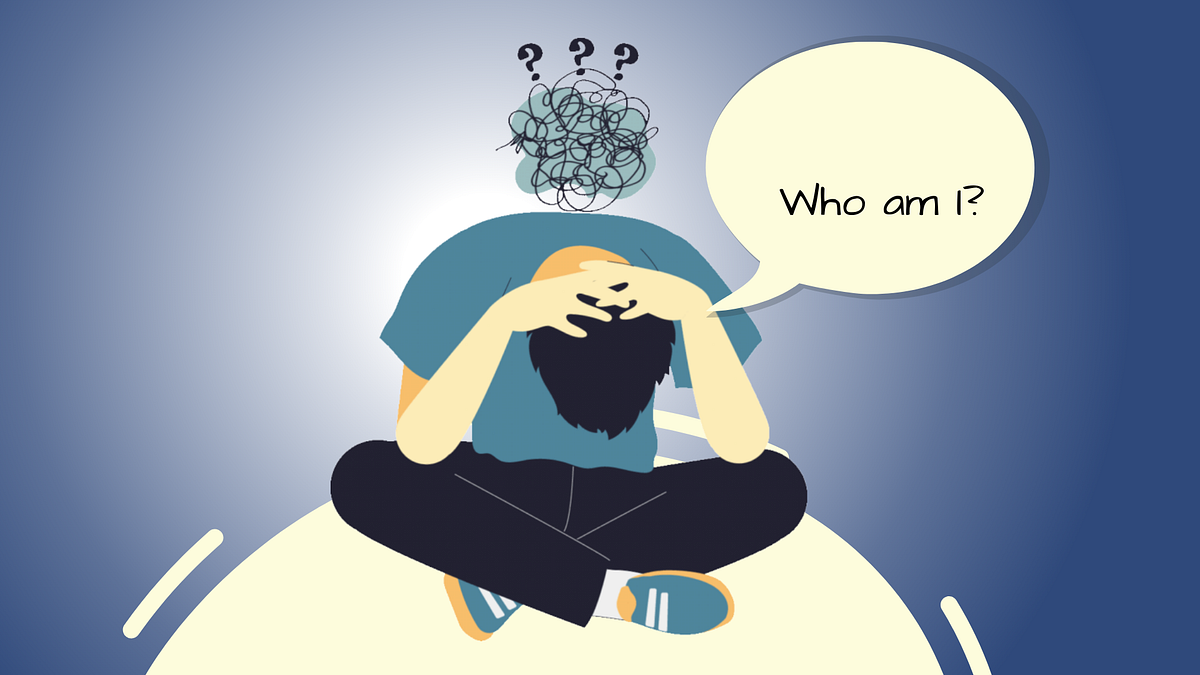
How Survival Mode Rewrites Your Personality
Survival Mode Is Not a Mood
Survival mode is not anxiety.
It is not depression.
It is not attitude.
It is a state where your nervous system prioritizes protection over expression.

Why Over-Empathy Destroys Nervous System Safety
It shows up when you:
Feel distressed when others are distressed
Absorb tension in a room instantly
Struggle to separate your feelings from others’
Feel compelled to fix emotional discomfort
Carry guilt when others are upset
Stay emotionally activated long after an interaction ends
Your nervous system does not experience this as compassion.
It experiences it as threat monitoring.