


The Cost of Being “The Strong One”
It becomes a role you grow into quietly—through responsibility, reliability, and the unspoken understanding that you can handle more than others. You keep things moving. You stabilize situations. You absorb pressure without complaint.

Identity Drift: When You Stop Knowing What You Want
You struggle to answer simple questions.
You feel unsure about preferences that once felt obvious.
You hesitate before committing, even to things you used to enjoy.

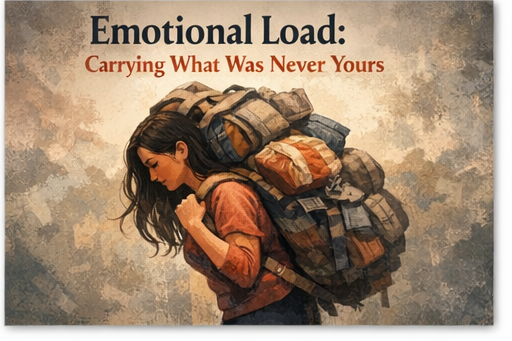
Emotional Load: Carrying What Was Never Yours
Emotional load is what happens when you become the container for everyone else’s feelings. You manage the mood in the room. You predict reactions. You soften your truth to keep peace. You carry responsibilities that were never assigned, but somehow became yours. Over time, your body treats other people’s stress like your job. That’s why you feel tired after conversations, not tasks. This load doesn’t show up on a calendar, but it shows up in your nervous system. Relief starts when you stop acting as emotional staff for people who refuse to do their own work.
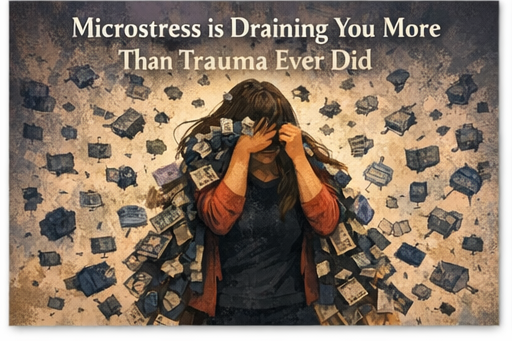
Microstress Is Draining You More Than Trauma Ever Did
Big trauma gets your attention. Microstress steals your life quietly. It’s the constant tiny pressures: the buzzing phone, the background conflict, the financial edge, the nonstop decisions, the low-grade fear that something will go wrong. Each one is small. Together they keep your system in a permanent drip of tension. And because it’s “not that bad,” you don’t stop to recover. That’s how microstress wins. It doesn’t knock you down in one hit. It drains you in a thousand paper cuts. If you’re exhausted, look at what’s constant, not what’s dramatic.
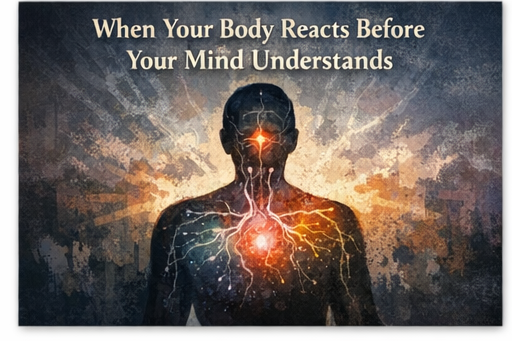
When Your Body Reacts Before Your Mind Understands
Sometimes your heart races before you know why. Your stomach drops. Your shoulders tighten. You feel heat in your face. Then your mind scrambles for a reason. That’s not you “overreacting.” That’s your body recognizing a pattern faster than your conscious brain can explain it. The nervous system learns through experience, and it doesn’t always use words. It uses sensation. If you’ve lived through unpredictability, your body may react to tone, timing, or energy before you can label it. The goal isn’t to ignore those signals. It’s to interpret them accurately and respond on purpose.
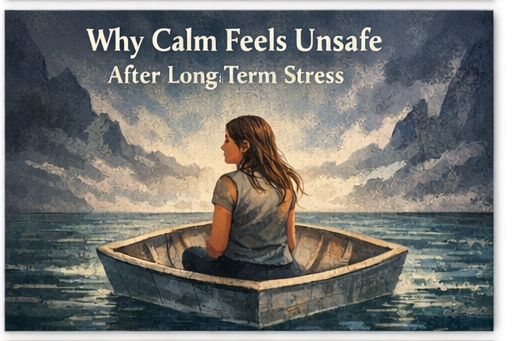
Why Calm Feels Unsafe After Long-Term Stress
If calm makes you restless, there’s a reason. Long-term stress trains your nervous system to expect impact. When nothing is happening, your body starts searching for what you’re missing. It can feel like waiting for bad news, even on a good day. Calm becomes unfamiliar. Quiet feels exposed. And relaxation can trigger anxiety because your system mistakes stillness for vulnerability. This isn’t a character flaw. It’s conditioning. Your body learned that safety was temporary, so it stays ready. The work is gentle retraining: small doses of calm until calm stops feeling like a trap.
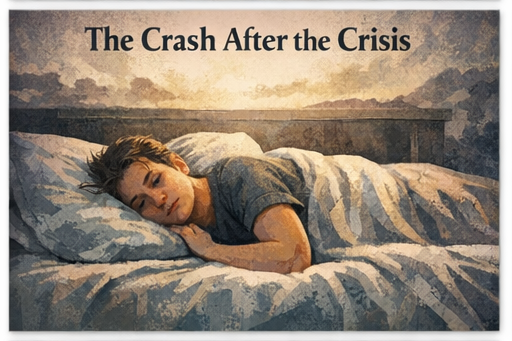
The Crash After the Crisis: No One Warns You About Source
During the crisis, you function. After the crisis, you fall apart. That doesn’t mean you’re weak. It means your body finally got permission to feel what it couldn’t feel while you were surviving. Adrenaline is a powerful loan. Eventually the bill arrives. Sleep shifts. Motivation drops. Emotions show up in strange waves. The crash is not proof you’re broken. It’s proof you were carrying too much for too long. Recovery often starts after the danger ends, not during it. Your system is catching up, and it needs time.
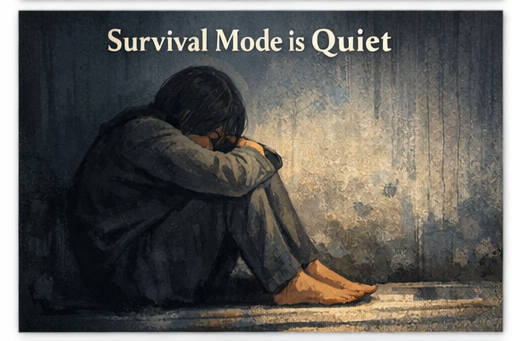
Survival Mode Is Quiet.
During the crisis, you function. After the crisis, you fall apart. That doesn’t mean you’re weak. It means your body finally got permission to feel what it couldn’t feel while you were surviving. Adrenaline is a powerful loan. Eventually the bill arrives. Sleep shifts. Motivation drops. Emotions show up in strange waves. The crash is not proof you’re broken. It’s proof you were carrying too much for too long. Recovery often starts after the danger ends, not during it. Your system is catching up, and it needs time.
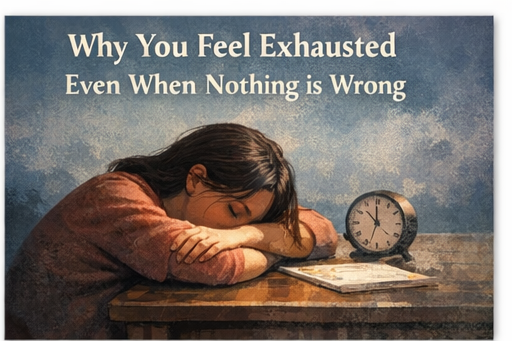
Why You Feel Exhausted Even When Nothing Is “Wrong”
Nothing is “wrong,” and yet you’re tired like you ran a marathon. That’s not laziness. That’s chronic stress after-effects. When your nervous system has been on high alert, it spends energy scanning for problems even when the room is calm. Your mind may be quiet, but your body is still working. Muscles stay tense. Breathing gets shallow. Your brain keeps checking the future. This kind of exhaustion can feel confusing because it doesn’t match your schedule. The truth is simple: you’re not tired from doing nothing. You’re tired from constantly bracing.

You Were Not Meant to Live in Survival Forever
Survival mode is useful in emergencies. It’s not meant to be your personality. When you’ve been stuck there for months or years, your brain starts treating everything like a threat. A text message feels like danger. A quiet room feels suspicious. Rest feels like you’re falling behind. You may look “fine” on the outside while your body is running a constant internal alarm. The goal isn’t to shame survival mode. It kept you going. The goal is to help your system learn a new setting: safe enough to breathe, steady enough to think, strong enough to choose.
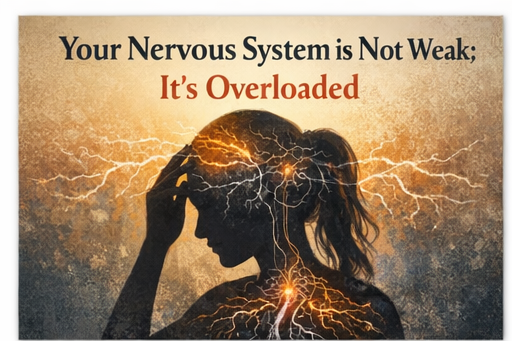
Your Nervous System Is Not Weak; It’s Overloaded
If you’ve been telling yourself you’re “too sensitive,” pause. A nervous system doesn’t get overwhelmed because it’s weak. It gets overwhelmed because it’s been carrying more input than it can process for too long. Stress hormones stay elevated. Sleep gets lighter. Small problems start feeling huge. Your body isn’t being dramatic. It’s doing math. Too many demands. Not enough recovery. When your system is overloaded, you don’t need more willpower. You need less pressure, clearer boundaries, and a nervous system reset that’s realistic for your life.
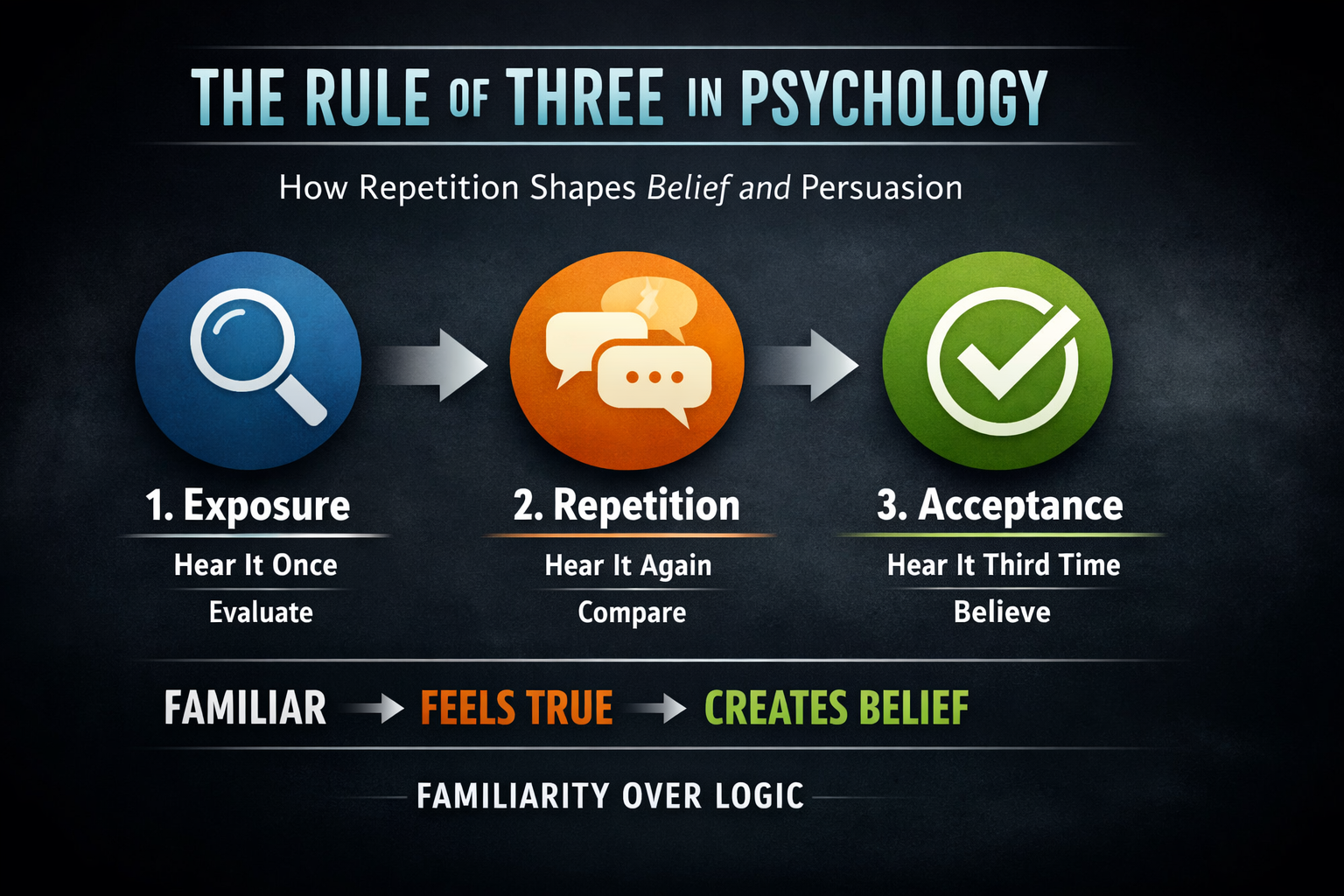
The Rule of Three in Psychology
The Rule of Three refers to the psychological effect where a message repeated three times becomes familiar, believable, and cognitively accepted.
After the first exposure, your brain evaluates.
After the second, it compares.
After the third, it begins to accept.
This shift does not require truth. It requires consistency.